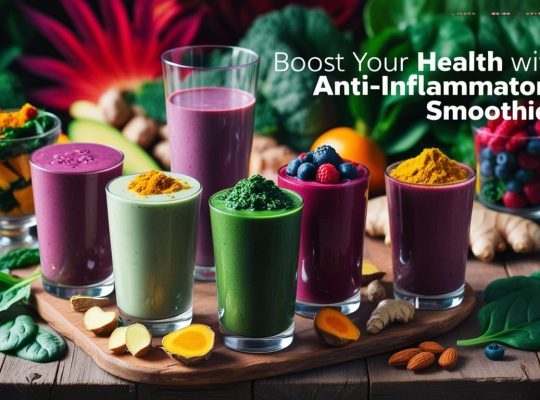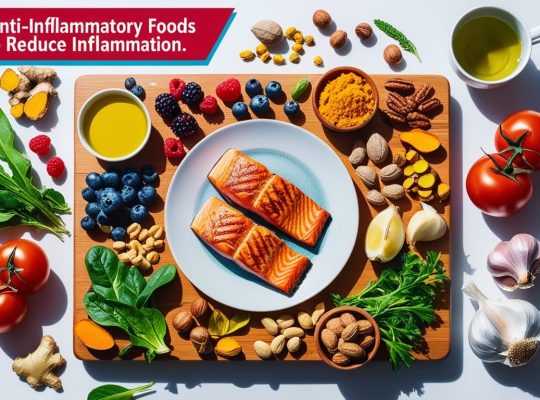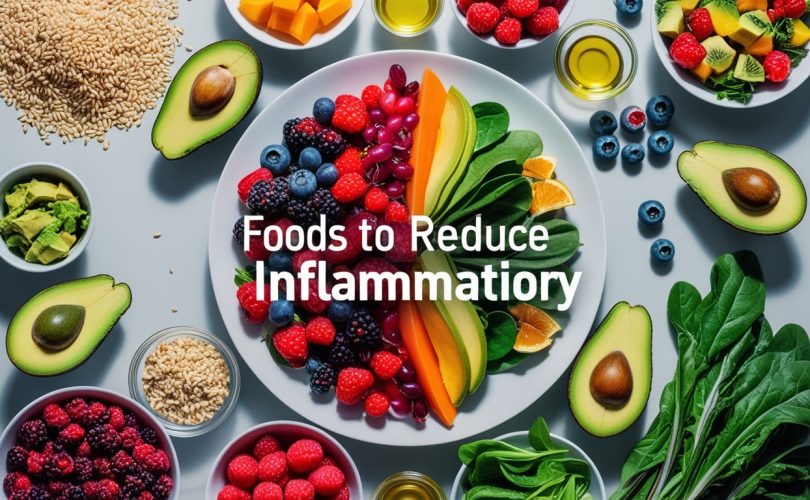
Inflammation is your body’s natural defense mechanism against injury, infection, or stress. However, when inflammation becomes chronic, it turns into a silent saboteur of your health, leading to issues like heart disease, diabetes, and arthritis. The great news? You can actively reduce inflammation with the right food choices. In this guide, we’ll dive deep into the foods that fight inflammation and help you adopt an anti-inflammatory diet that supports your overall well-being.
Understanding Inflammation: The Body’s Alarm System
Before exploring the best food to reduce inflammation, it’s essential to understand why chronic inflammation poses such a threat. Acute inflammation, like when you twist your ankle, is temporary and aids in healing. Chronic inflammation, on the other hand, is like a fire that never goes out, causing constant damage to your cells and tissues over time.
Conditions linked to chronic inflammation include:
- Heart disease
- Type 2 diabetes
- Obesity
- Arthritis
- Cancer
The good news is that inflammation is manageable through lifestyle choices—primarily by what you eat. Let’s explore how you can reduce inflammation naturally by selecting the right food.
1. 1. Omega-3 Fatty Acids: The Inflammation Warriors

If you want to fight inflammation effectively, load your plate with omega-3 fatty acids. These essential fats have been proven to reduce your body’s inflammatory response, particularly by reducing the production of molecules linked to inflammation.
Top Omega-3 Food to Reduce Inflammation:
- Salmon, mackerel, sardines, and trout: These fatty fish are packed with EPA and DHA, which are directly linked to lower inflammation levels.
- Chia seeds and flaxseeds: Plant-based omega-3 sources that provide a powerful anti-inflammatory punch.
- Walnuts: These nuts offer a rich dose of alpha-linolenic acid (ALA), another type of omega-3.
Why it works: Omega-3s disrupt the production of inflammatory chemicals in the body, leading to better heart health and a lower risk of chronic disease.
Pro Tip: Try to eat 2-3 servings of fatty fish per week. Sprinkle chia seeds or flaxseeds over your meals for an added anti-inflammatory boost.
For more on how omega-3s help reduce inflammation, check out this scientific study from PubMed.
2. Leafy Greens: Nutrient Powerhouses

Dark leafy greens are not only nutrient-dense but also have potent anti-inflammatory properties. These vegetables contain vitamins A, C, and K, which are essential for fighting inflammation.
Best Leafy Greens Food to Reduce Inflammation:
- Kale: This superfood is rich in antioxidants like quercetin, which helps reduce inflammation.
- Spinach: Packed with magnesium and vitamin K, spinach calms inflammation and protects cells from damage.
- Swiss Chard: Its unique phytonutrients lower inflammation and help balance blood sugar levels.
Why it works: Leafy greens are loaded with antioxidants that neutralize free radicals, which trigger inflammation in your body.
Pro Tip: Include a variety of leafy greens in your salads, smoothies, or stir-fries to consistently fight inflammation.
3. Berries: Small but Mighty Inflammation Fighters

Berries, particularly blueberries, raspberries, and strawberries, are rich in anthocyanins, which are compounds that actively reduce inflammation. They also contain antioxidants that combat oxidative stress, one of the main contributors to chronic inflammation.
Best Berries for Inflammation:
- Blueberries
- Raspberries
- Strawberries
Why it works: The antioxidants in berries reduce oxidative stress and inflammation by neutralizing free radicals, offering a protective effect against chronic diseases.
Pro Tip: Add berries to your breakfast oatmeal, smoothies, or as a refreshing snack to keep inflammation at bay.
4. Turmeric: The Golden Spice food to reduce inflammation

If there’s one spice known for its anti-inflammatory benefits, it’s turmeric. This ancient golden spice contains curcumin, a powerful compound that has been shown to block the molecules responsible for inflammation.
How to Use Turmeric food to reduce Inflammation:
- Add a dash of turmeric to soups, stews, and curries for flavor and health benefits.
- Brew turmeric tea for a soothing anti-inflammatory drink.
Why it works: Curcumin blocks inflammatory pathways in the body, significantly reducing the production of harmful molecules.
Pro Tip: Combine turmeric with black pepper to enhance the absorption of curcumin by up to 2,000%!.
5. Whole Grains: Fiber-Filled Food to Reduce Inflammation

Unlike refined grains, which can trigger inflammation, whole grains contain fiber that helps reduce inflammation by improving gut health. A well-balanced gut plays a crucial role in maintaining low levels of inflammation in the body.
Best Whole Grains for Inflammation:
- Quinoa
- Brown rice
- Oats
Why it works: Whole grains promote a healthy gut by feeding good bacteria, which produces short-chain fatty acids that help control inflammation.
Pro Tip: Replace refined grains with whole grains in your diet to keep inflammation under control.
6. Nuts and Seeds: Healthy Food to Reduce Inflammation

Nuts and seeds are nutrient-rich, providing omega-3 fatty acids and polyunsaturated fats that help combat inflammation. They also contain fiber and antioxidants, making them a perfect snack for fighting inflammation.
Best Nuts and Seeds to Add to Your Diet:
- Almonds
- Walnuts
- Chia seeds
- Flaxseeds
Why it works: The combination of healthy fats, fiber, and antioxidants in nuts and seeds helps reduce inflammation markers like C-reactive protein (CRP).
Pro Tip: Enjoy a handful of nuts or seeds as a snack, or toss them into your salads and smoothies for an anti-inflammatory boost.
7. Tomatoes: Packed with Lycopene to Fight Inflammation

Tomatoes are a rich source of lycopene, a powerful antioxidant known to reduce systemic inflammation. Lycopene’s anti-inflammatory effects are particularly strong when tomatoes are cooked, as cooking increases the bioavailability of lycopene.
Best Ways to Eat Tomatoes:
- Add cooked tomatoes to sauces, soups, and stews.
- Enjoy fresh tomatoes in salads or as part of a Mediterranean diet.
Why it works: Lycopene helps lower inflammatory markers in the blood, offering protection against chronic diseases.
Pro Tip: Pair cooked tomatoes with olive oil to enhance lycopene absorption for maximum anti-inflammatory benefits.
Conclusion: Take Control of Your Health with Anti-Inflammatory Foods
By incorporating these powerful food to reduce inflammation into your daily meals, you can actively combat chronic inflammation, boost your energy, and lower your risk of developing serious health conditions. From omega-3 fatty acids in fish to antioxidant-packed berries, your diet can be a powerful tool in keeping inflammation at bay.
Ready to make a change? Start by adding these food to your grocery list and check out our 7-Day Anti-Inflammatory Meal Plan for an easy way to get started!